
How to Start Affiliate Marketing for Beginners in 2025 (Step-by-Step Guide)
The definitive blueprint to building a trusted, profitable online business in the new “Trust Economy.”
Imagine waking up to $200 in commissions before you’ve even had your morning coffee. It sounds like a late-night infomercial, doesn’t it? But here is the thing: for thousands of digital entrepreneurs, this isn’t magic—it’s a system.
I remember when I first stumbled into this world. I thought I needed to be a tech wizard or a sales genius. I was wrong. The barrier to entry has never been lower, but the rules of the game have changed drastically.
Forget the generic advice you read on forums five years ago. This guide covers the 2025 reality: navigating AI content saturation, leveraging short-form video, and surviving the new “Trust Economy.”
- The “Profit-First” method for choosing a niche.
- Why authenticity is the only SEO metric that matters now.
- How to stay legal with the strict new FTC guidelines.
- The exact tech stack you need to start with zero fluff.
What is Affiliate Marketing? (The 2025 Definition)
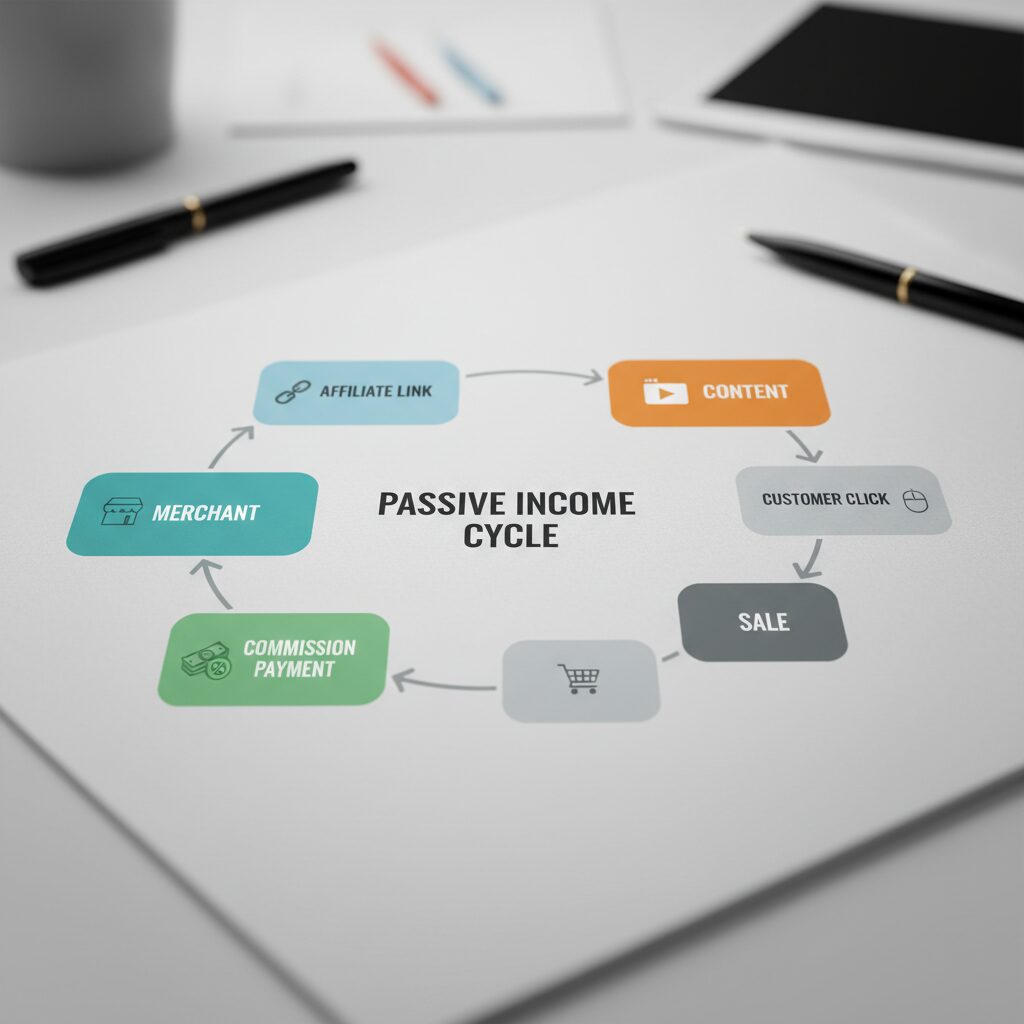
At its core, affiliate marketing is a performance-based business. You (the publisher) promote a product or service. When someone buys through your unique link, the merchant pays you a commission. Simple, right?
However, the scale of this industry is staggering. According to Cognitive Market Research (2025), the global affiliate marketing industry is valued at approximately $18.5 billion in 2024 and is projected to skyrocket to $31.7 billion by 2031.
How the Model Works
It’s a three-player game:
- The Merchant: The creator of the product (e.g., Nike, a software company).
- The Affiliate (You): The marketer who connects the audience to the product.
- The Customer: The person who clicks and buys.
The “Trust Economy”: Why Authenticity Wins
Here is where most beginners fail. They spam links hoping something sticks. But in 2025, trust is the currency. A report from Cropink (April 2025) reveals that 50% of consumers trust affiliate recommendations as much as personal referrals.
If you break that trust by promoting junk, you are finished before you start. Neil Patel, a renowned digital marketing expert, puts it perfectly:
Step 1: Niche Selection – The “Profit-First” Method
I’ve seen so many people paralyzed by the “follow your passion” advice. While you shouldn’t hate your topic, passion doesn’t always pay the bills. You need a convergence of interest and market demand.
Passion vs. Profit: Finding the Sweet Spot
If you love underwater basket weaving, that’s great. But are people spending money on it? You need to validate the market. I recommend looking for the “Evergreen 5”:
- Health: Fitness, diet, mental health.
- Wealth: Investing, make money online, credit cards.
- Tech: Software (SaaS), gaming, home office gear.
- Relationships: Dating advice, parenting.
- Hobbies: Golf, photography, travel.
How to Validate Your Niche
Don’t guess. Use data. Go to Google Trends and type in your topic. Is the line going up or staying steady? If it’s crashing, stay away. Next, look for “commercial intent” keywords. If people are searching for “Best running shoes for flat feet,” they are ready to buy.
Step 2: Choosing the Right Affiliate Programs
Once you have a niche, you need products. You generally have two options: Affiliate Networks or Direct Programs.
Affiliate Networks
These are marketplaces connecting you with thousands of brands.
- Amazon Associates: The giant. According to Wix/Cognitive Market Research (April 2025), Amazon Associates holds nearly 46.27% of the industry market share. It converts well, but commissions are low (1-4%).
- ShareASale / Awin: Great for physical products and fashion.
- Impact.com: excellent for tech and software brands.
Analyzing Commission Rates & Cookie Duration
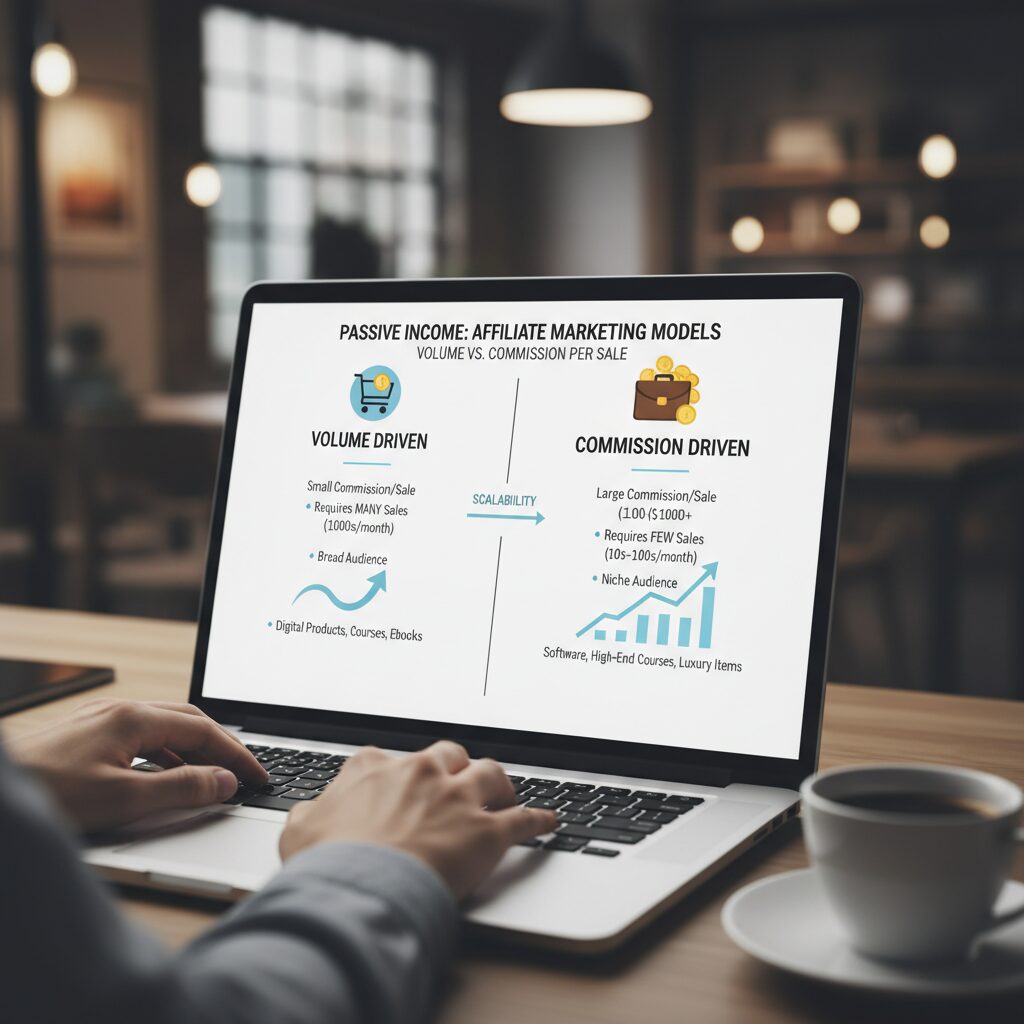
The “cookie duration” is how long you get credit for a sale after a click. Amazon gives you 24 hours. Some software programs give you 90 days. As a beginner, I prefer high-ticket or recurring commissions. Why sell 100 books to make $50 when you can sell one software subscription and make $50 every month?
Step 3: Setting Up Your Platform (Asset Building)
Do you need a website? In my opinion, yes. While social media is powerful, you don’t own it. TikTok could ban you tomorrow. A website is digital real estate you own.
The “Hub and Spoke” Model
Think of your website as the “Hub.” Your social media channels (TikTok, YouTube, Pinterest) are the “Spokes” that drive traffic to the Hub.
Mobile optimization is non-negotiable. FirstPromoter (December 2024) data indicates that mobile traffic accounts for around 62% of affiliate-driven visits. If your site looks bad on a phone, you are losing money.
Essential Tools Stack for 2025
You don’t need expensive gear. Here is the lean startup stack:
- CMS: WordPress (Self-hosted).
- Domain & Hosting: Bluehost or SiteGround are reliable.
- Email Marketing: ConvertKit or MailerLite (to build your list).
Step 4: Creating Content That Converts
This is where the magic happens. You aren’t just writing blog posts; you are solving problems.
Commercial Intent Keywords
Target keywords where the user is looking for a solution.
- “Best [Product] for [User]” (e.g., Best laptop for graphic design).
- “[Product A] vs [Product B]” (e.g., iPhone 16 vs Samsung S25).
- “Is [Product] worth it?”
According to Cropink (April 2025), 74% of shoppers visit multiple affiliate sites before making a purchase decision. Your job is to be the last site they visit.
The Legal Side: FTC Compliance
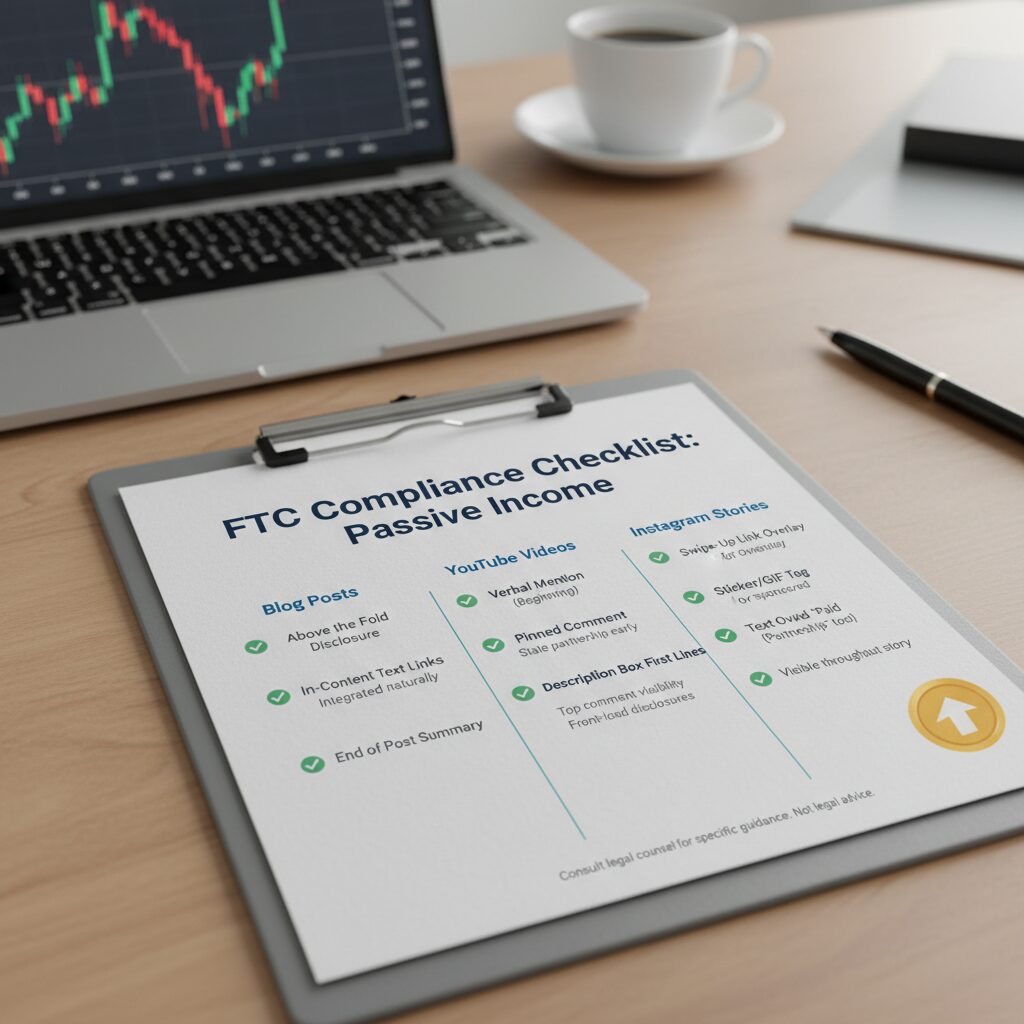
This is critical. You cannot hide your affiliate relationship. In August 2024, the FTC announced a Final Rule prohibiting fake reviews, allowing them to impose civil penalties (AvantLink, July 2025).
Tricia Meyer, Executive Director of the Performance Marketing Association, emphasized the need for “Clear and conspicuous disclosures of material connections between endorsers and brands” (AvantLink, July 2025). Put your disclosure at the top of your post, not buried in the footer.
Step 5: Driving Traffic to Your Offers
You can have the best content in the world, but without traffic, it’s a diary. Here is how to get eyes on your links.
SEO: The Long Game
Search Engine Optimization takes time, but it yields the highest ROI. Ranking on Google means you get traffic when people are actively searching for answers.
The Short-Form Video Explosion
If you aren’t using video, you’re missing out. TikTok, Reels, and YouTube Shorts are massive traffic drivers. A Shopify Trends Report (May 2025) notes the “convergence of affiliate and influencer marketing,” driven by customers demanding mobile-first experiences.
Cristy Garcia, CMO of Impact.com, states:
Earnings Potential Calculator
Curious about what’s possible? Use this simple estimator to see how traffic affects income.
Common Beginner Mistakes & How to Avoid Them
I wish someone had told me these when I started. Avoiding these pitfalls can save you months of frustration.
1. The “Shiny Object Syndrome”
Stop jumping from niche to niche. Pick one and stick to it for at least 6 months. Consistency is boring, but it’s profitable.
2. Ignoring the Numbers
Almost 40% of affiliate marketing traffic is fraudulent (DemandSage, 2025). Monitor your analytics. If you see thousands of clicks but no sales, something is wrong.
3. Giving Up Too Soon
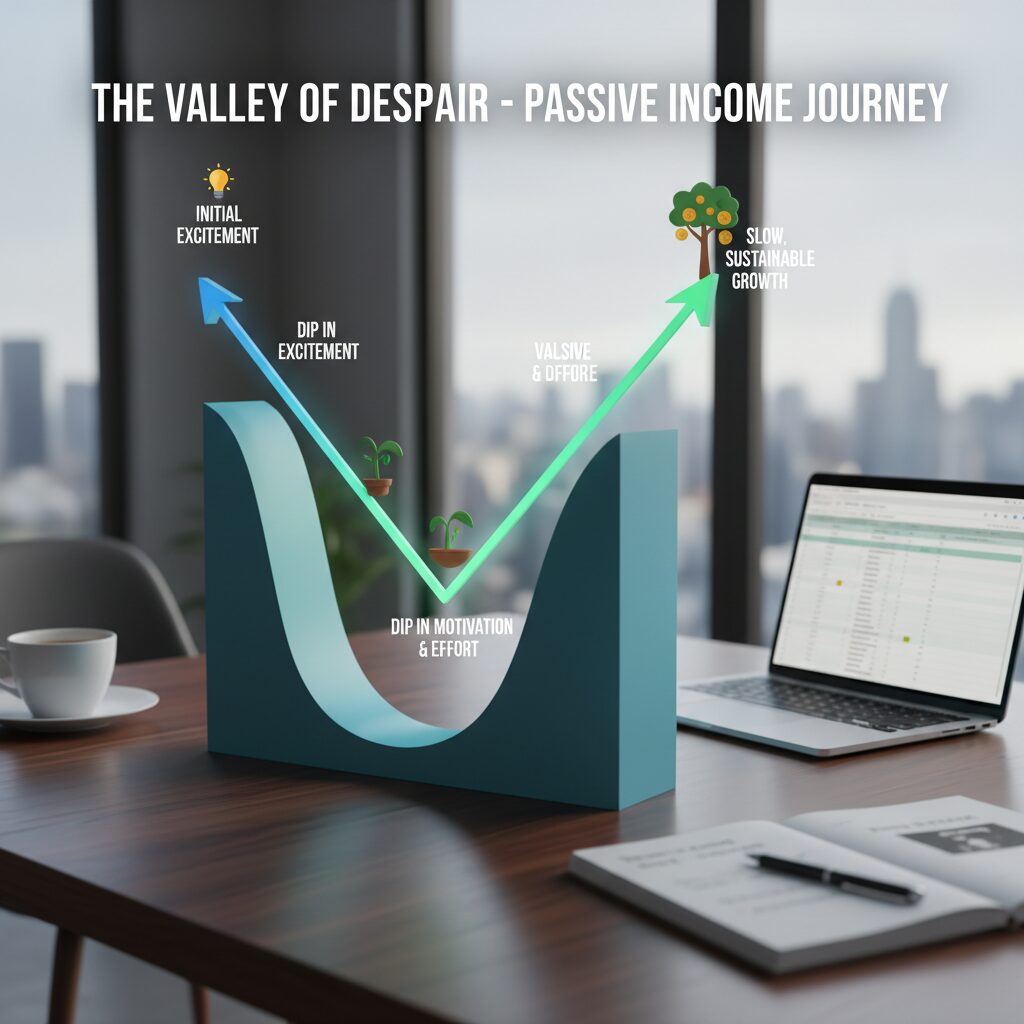
I recall reading a story about a blogger on The She Approach. She plastered Amazon banners everywhere and earned exactly $7.60 in 4 months (The She Approach). It was a disaster. But she didn’t quit. She pivoted to writing detailed reviews for independent programs and eventually cracked the code. The lesson? Affiliate marketing is not about banners; it’s about context.
FAQ: Frequently Asked Questions
Conclusion: Your 30-Day Action Plan
Affiliate marketing is not a “get rich quick” scheme. It is a real business that requires patience, strategy, and resilience. But the rewards—freedom of time and location—are worth the effort.
To recap, here is your roadmap:
- Week 1: Select a niche based on data, not just passion.
- Week 2: Set up your website or social profile (“Hub”).
- Week 3: Join 2-3 reputable affiliate programs.
- Week 4: Publish your first 5 pieces of helpful, honest content.
The only way to fail is to stop. The data shows that spending in this industry is projected to reach nearly $12 billion in the U.S. alone in 2025 (eMarketer via Wix, April 2025). There is a slice of that pie waiting for you. Start building your system today.
