
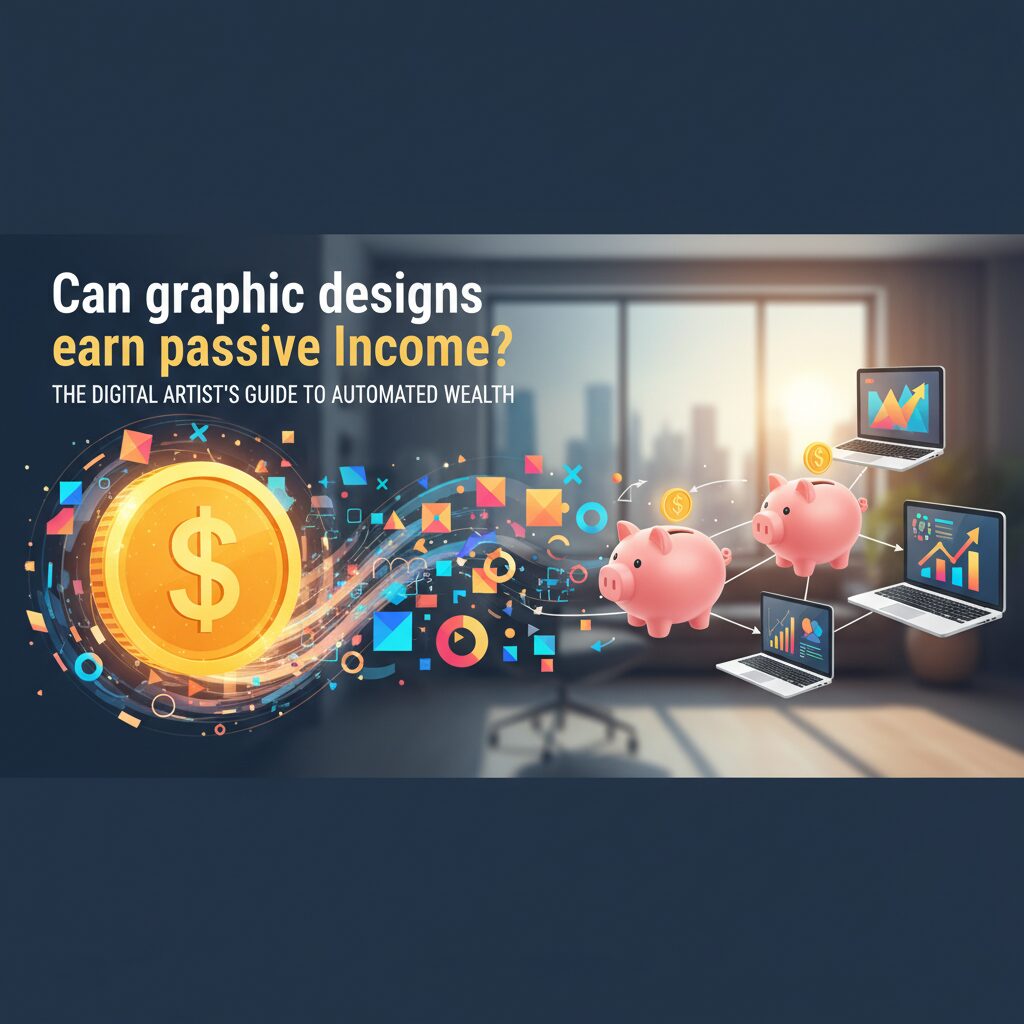
Can Graphic Designs Earn Passive Income? The 2025 Reality Check & Strategy Guide
Most designers trade time for money ($32/hour average). Passive income isn’t about “easy money”—it’s about front-loading your effort to build assets that pay dividends while you sleep.
I remember the specific moment I hit burnout. It was 2019, and I was tweaking a client’s logo for the 14th time at 11 PM on a Tuesday. I realized that if I stopped working, the money stopped instantly. That’s the freelance trap.
You’re likely reading this because you want out of that cycle. You want to know: Can graphic designs actually earn passive income in 2025?
The short answer is yes. The long answer involves a fundamental shift in how you view your work—not as a service, but as a product. We analyzed over 20 income reports and the latest 2025 market data to show you exactly what earns money today. We aren’t going to give you generic advice; we’re going to look at the hard data of the “Asset Stacking” strategy.
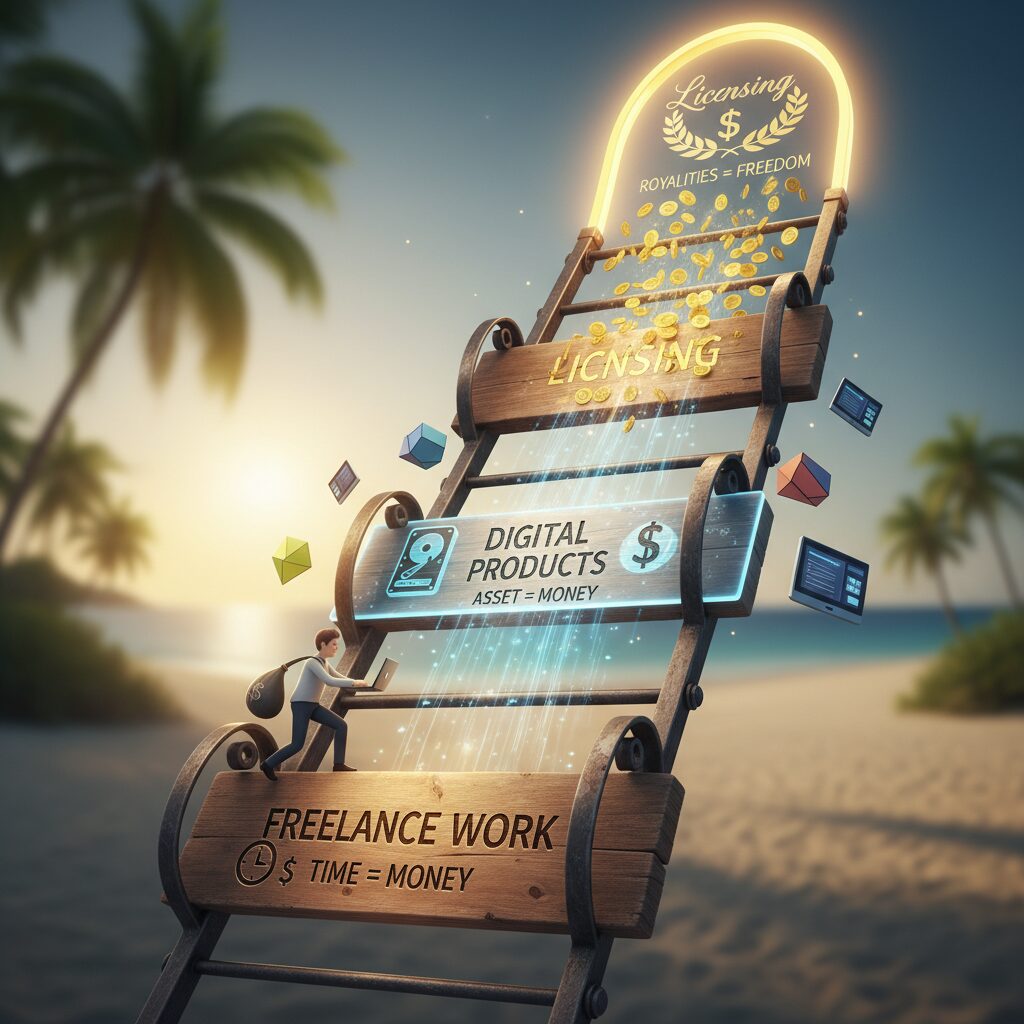
The State of Passive Design Income in 2025 (Data-Backed)
Let’s get the “passive” myth out of the way first. Passive income is a misnomer. It should be called “front-loaded income.” You do 100 hours of work upfront for $0, with the expectation that it will generate revenue for years.
The market conditions for this have never been better, but the competition is stiffer. According to Uscreen (via Hopp.co), the creator economy was valued at $250 billion in 2024 and is projected to nearly double to $480 billion by 2027. This isn’t just YouTubers; it’s designers selling assets that power this economy.
However, the gap between the “haves” and “have-nots” is widening. Data from Cropink (2025) reveals that while the average freelance graphic designer earns about $32 per hour, high-performing passive sellers on platforms like Creative Market can top over $100,000 annually. The difference isn’t skill—it’s strategy.
As of 2025, Whop reports that digital products create more than $2.5 trillion in value per year. The money is there, but you have to know where to look.
Top 4 Proven Passive Income Streams for Designers
1. Selling Digital Assets (The “Build Once” Model)
This is the holy grail for most designers. You create a font, a UI kit, or a set of Procreate brushes, and you sell the license to use them.
The Opportunity: Selling fonts online remains one of the highest barriers to entry but yields the highest longevity. Unlike a trend-based Instagram template, a good sans-serif font can sell for decades.
Strategy: Don’t just make “a font.” Solve a problem. Is there a lack of good vintage serif fonts that support Cyrillic characters? That’s your niche.
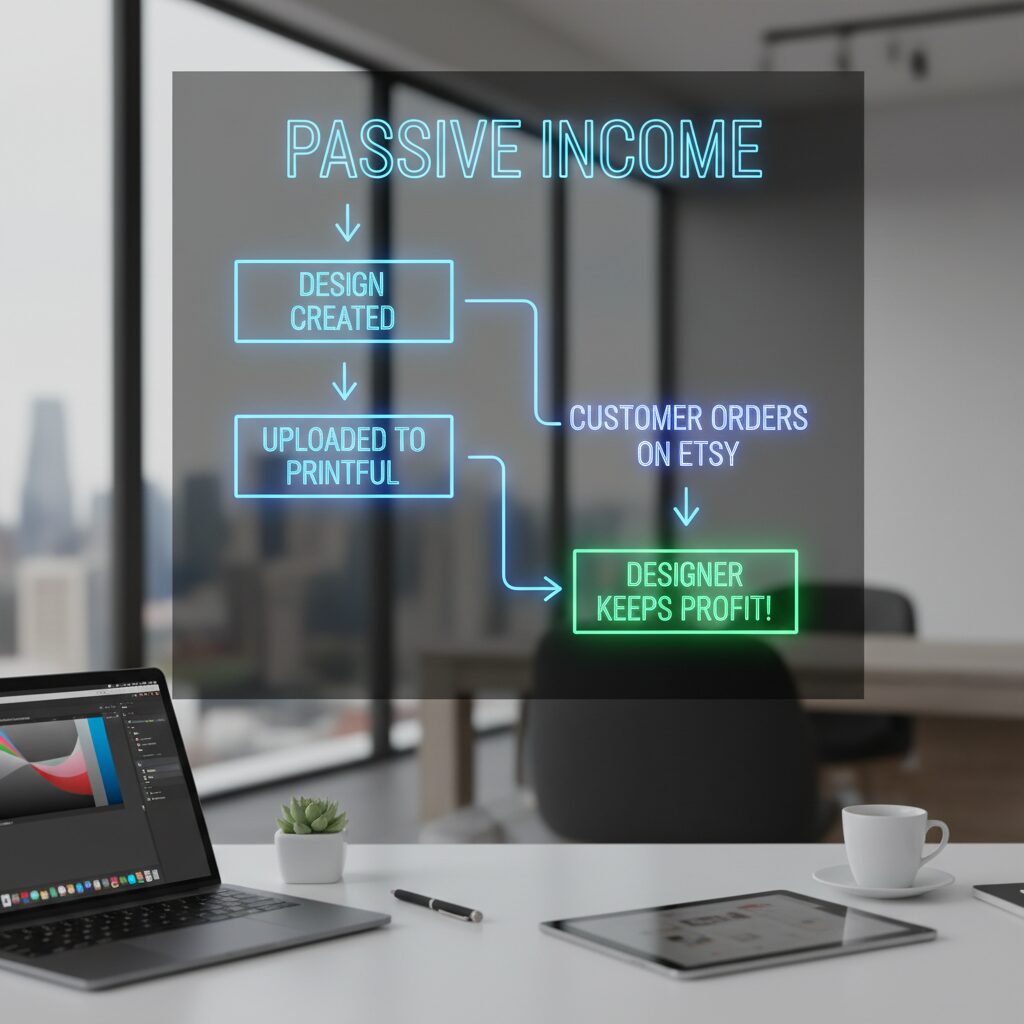
2. The Print-on-Demand (POD) Ecosystem
You might hear that “POD is dead.” The data disagrees. According to Grand View Research, the global print-on-demand market size was estimated at USD 8.93 billion in 2024 and is projected to grow at a CAGR of 23.3%.
The mistake beginners make is treating Redbubble or Printful like a lottery. They upload random art and hope. The winners in 2025 are using merchandise design income as a branding extension, or targeting hyper-specific micro-niches (e.g., “Introverted Accountants who love cats”).
3. The “Template Economy” (Canva & Notion)
This is the fastest-growing sector I’ve seen in the last two years. The productivity software market is exploding.
Notion Templates: It sounds boring, but selling Notion templates is lucrative. According to a 2024 guide by Landmark Labs, top creators are charging $100-$250 for “High Tier” template systems (like complete agency operating systems).
Canva Templates: With the Canva Creator Program, you can earn royalties when Pro users use your designs. It’s a volume game, but for those who crack the code on “social media kits” for realtors or coaches, it’s consistent monthly revenue.
4. Stock Content & Licensing
Stock photography and vector art have a reputation for low pay, but they offer true “set and forget” potential. The key is volume and understanding royalty rates.
According to the Adobe Stock Official Contributor Guide (2024), contributors earn 33% royalties for images and 35% for video content. While 33% sounds low, remember that Adobe brings millions of eyes to your work. You don’t have to do any marketing.
Case Studies: Real Designer Earnings in 2024-2025
I’m tired of seeing inflated numbers. Let’s look at what’s actually happening on the ground right now.
🚨 The Reality Check: The Creative Market Drop
Subject: Diane Pascual (The Gypsy Goddess)
Scenario: In 2020, Diane was earning ~$2,500/month consistently on Creative Market. By 2024, sales dropped to under $100/month for similar assets.
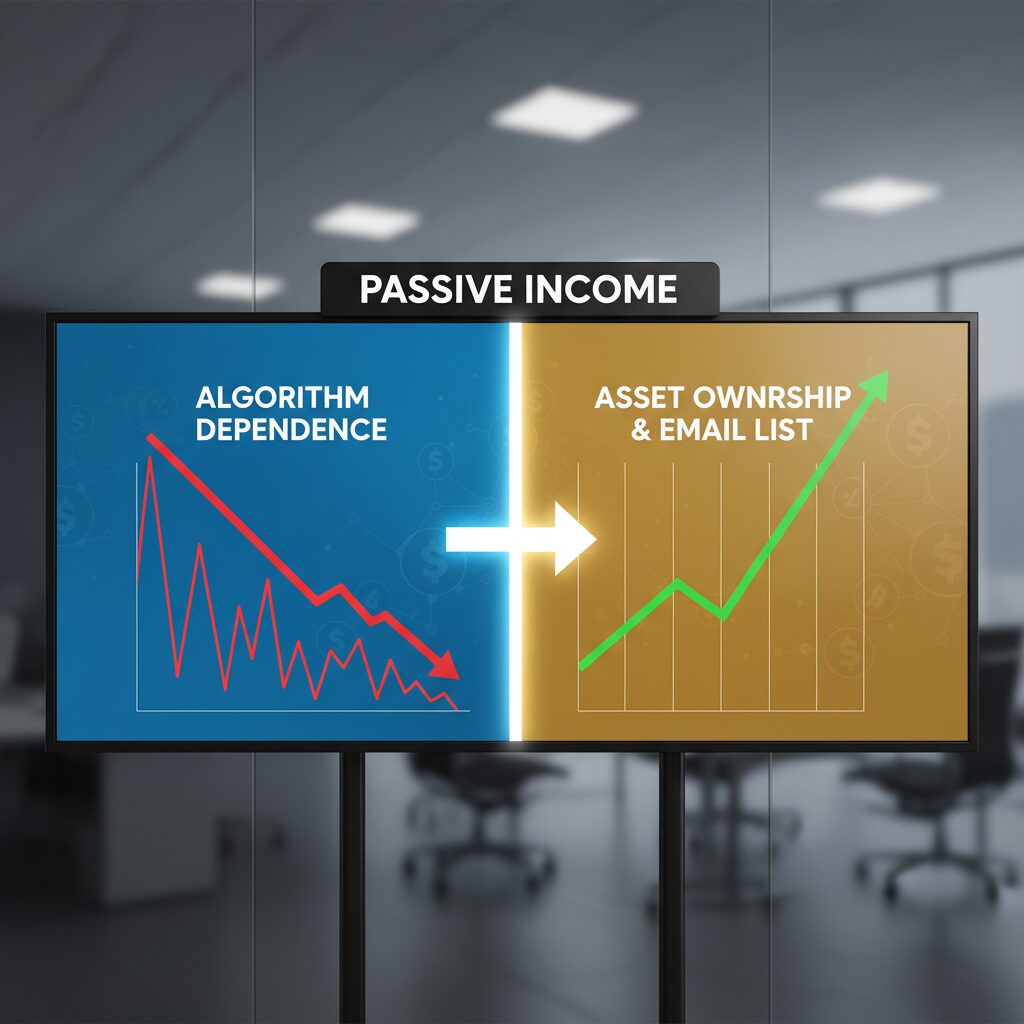
Why? Platform algorithms changed, and the market became saturated. The lesson here is critical: Do not build your house on rented land. If you rely 100% on a marketplace, you are one algorithm update away from zero income. (Source: The Gypsy Goddess, Aug 2024)
✅ The Win: The Etsy “Slow Build”
Subject: Taylor Haselton
Scenario: Taylor sells digital downloads (scrapbook/craft paper) on Etsy. These are low-ticket items ($2.99).
Result: Her October 2024 report showed a massive 73% net profit margin. Because she sells digital files, there are no shipping costs, no inventory, and barely any customer service. She focused on volume and search intent.
Takeaway: You don’t need to sell $100 items. High margins on cheap items add up fast. (Source: Taylor Haselton, Nov 2024)
Platform Showdown: Where to Sell Your Work
Choosing the right platform is just as important as the design itself. Here is how they stack up in 2025.
| Platform | Pros | Cons | Best For |
|---|---|---|---|
| Etsy | Massive built-in traffic (12% YoY revenue increase in 2024, per Accio). | High fees, intense competition, listing fees ($0.20). | Planners, Wall Art, Craft Assets. |
| Gumroad | You own the customer data (email list). Low fees. | Zero built-in traffic. You must bring your own audience. | Established creators with social followings. |
| Creative Market | High average order value. Professional clientele. | Declining traffic, hard to get accepted. | High-end Fonts, UI Kits, Mockups. |
| Envato Elements | Consistent subscription revenue share. | Earnings are split among many creators; assets can be devalued. | Web templates, Stock Video, Audio. |
Interactive ROI Calculator
Curious what your designs could earn? Use this simple calculator to estimate potential monthly passive income based on conversion rates and traffic.
Passive Income Estimator
5 Critical Mistakes That Kill Passive Income
1. Ignoring Search Intent
You might want to design a “Cool Abstract Poster,” but is anyone searching for that? Probably not. They are searching for “Mid-century modern beige wall art for nursery.” According to Klasio (2025), 1 in 3 people discover products through social discovery, but the intent to purchase usually happens via specific search queries. If you don’t match the intent, you don’t get the sale.
2. The “Upload and Pray” Method
Passive income requires active marketing initially. If you aren’t using Pinterest to drive traffic to your Etsy shop, or using Dribbble to showcase your UI kits, your products will collect digital dust.
3. Neglecting “Asset Maintenance”
Software updates break things. A Procreate brush set made for version 4.0 might glitch in version 5.0. Successful sellers update their products annually. This also boosts your SEO ranking on marketplaces.
FAQ: Graphic Design Passive Income
Can you really make passive income as a graphic designer in 2025?
Yes, but the “gold rush” era of 2015 is over. Now, success requires high-quality assets and niche targeting. As Zeka Design notes, instead of chasing new projects, you must build assets that generate revenue on autopilot to survive the competitive landscape.
How long does it take to earn passive income from design?
Based on the case studies we reviewed, most designers see their first sale within 1-3 months, but consistent “replacement level” income (over $2,000/month) typically takes 12-18 months of consistent uploading.
What is the most profitable digital product to sell?
Currently, specialized functional templates (like Notion dashboards for specific industries) and unique fonts have the highest profit margins because they solve expensive problems for business owners.
Conclusion: The “Asset Stacking” Strategy
The days of relying solely on client work are numbered. If you want financial security, you must treat your design skills as an investment vehicle.
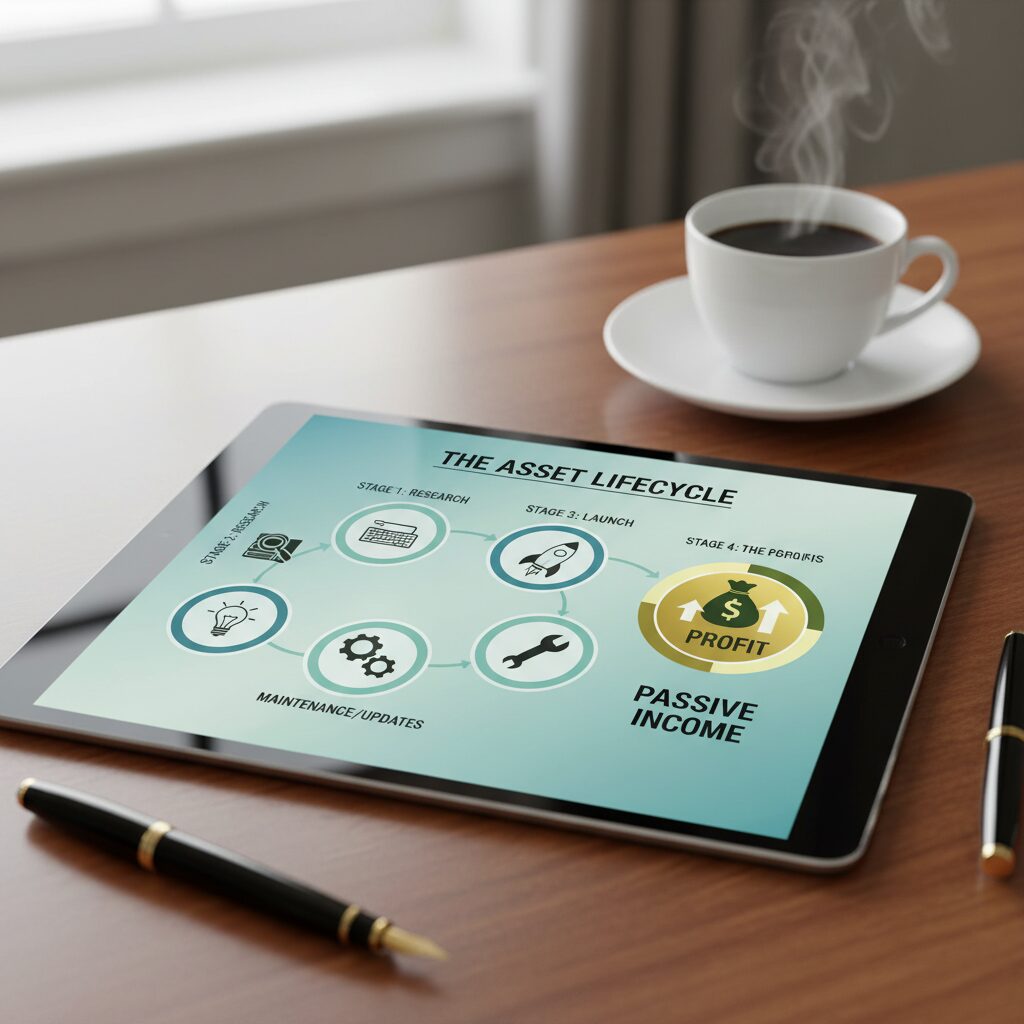
My advice? Start with Asset Stacking:
- Start Small: Create one digital download on Etsy (low barrier).
- Reinvest: Use the profit to buy better mockups or font creation software.
- Expand: Once you have a library, bundle them and sell them on your own site via Gumroad to capture emails.
You have the skills. The market has the demand ($2.5 trillion worth). The only variable missing is your execution. Go build your first asset today.
